

What are the risks of buying a fixer-upper rental property in Mission Hills or North Hills in 2026 when renovation costs are still high?
The biggest risks are budget overruns on aging 1950s–1970s homes, rent ceilings that limit your return no matter how much you spend, permitting delays that bleed vacancy costs, and a strained contractor market driven by wildfire rebuilding demand across LA County.
Why This Matters Right Now for Mission Hills and North Hills Investors
If you’re eyeing a fixer-upper rental in Mission Hills or North Hills, you’re probably seeing the same thing I see after 48 years in this market: lower entry prices that look tempting compared to move-in-ready properties. In March 2026, the median sale price in Mission Hills was $695,000, per local MLS data. North Hills active listings show a median list price of $807,339 as of October 2026. The spread between fixer-uppers and turnkey homes can look like an opportunity.
But here’s what I tell investors who call me about these deals: the gap between purchase price and all-in cost is where fortunes get made or lost. With LA renovation costs running 20–35% above national averages, according to 2026 industry benchmarks, you need to understand every risk before you write that offer. Having closed over 1,200 transactions in the San Fernando Valley, including a specialty in fixers, I can walk you through what actually goes wrong.
Renovation Budget Overruns in Mission Hills and North Hills Homes
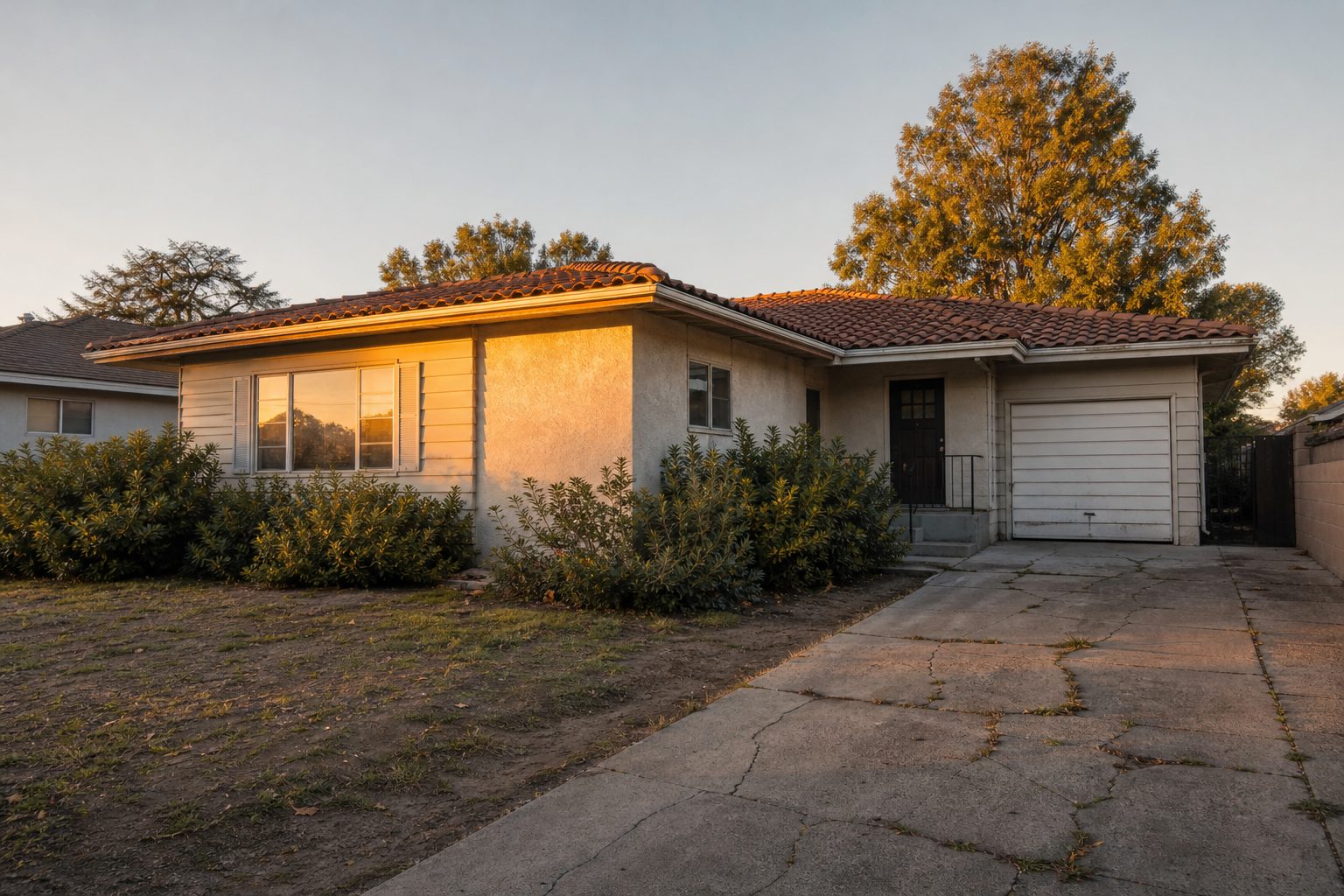
This is the risk that bites hardest. Most of the housing stock in Mission Hills and North Hills dates from the 1950s through 1970s. That era means specific, expensive problems hiding behind the walls.
What Lurks Inside Pre-1980 Valley Homes
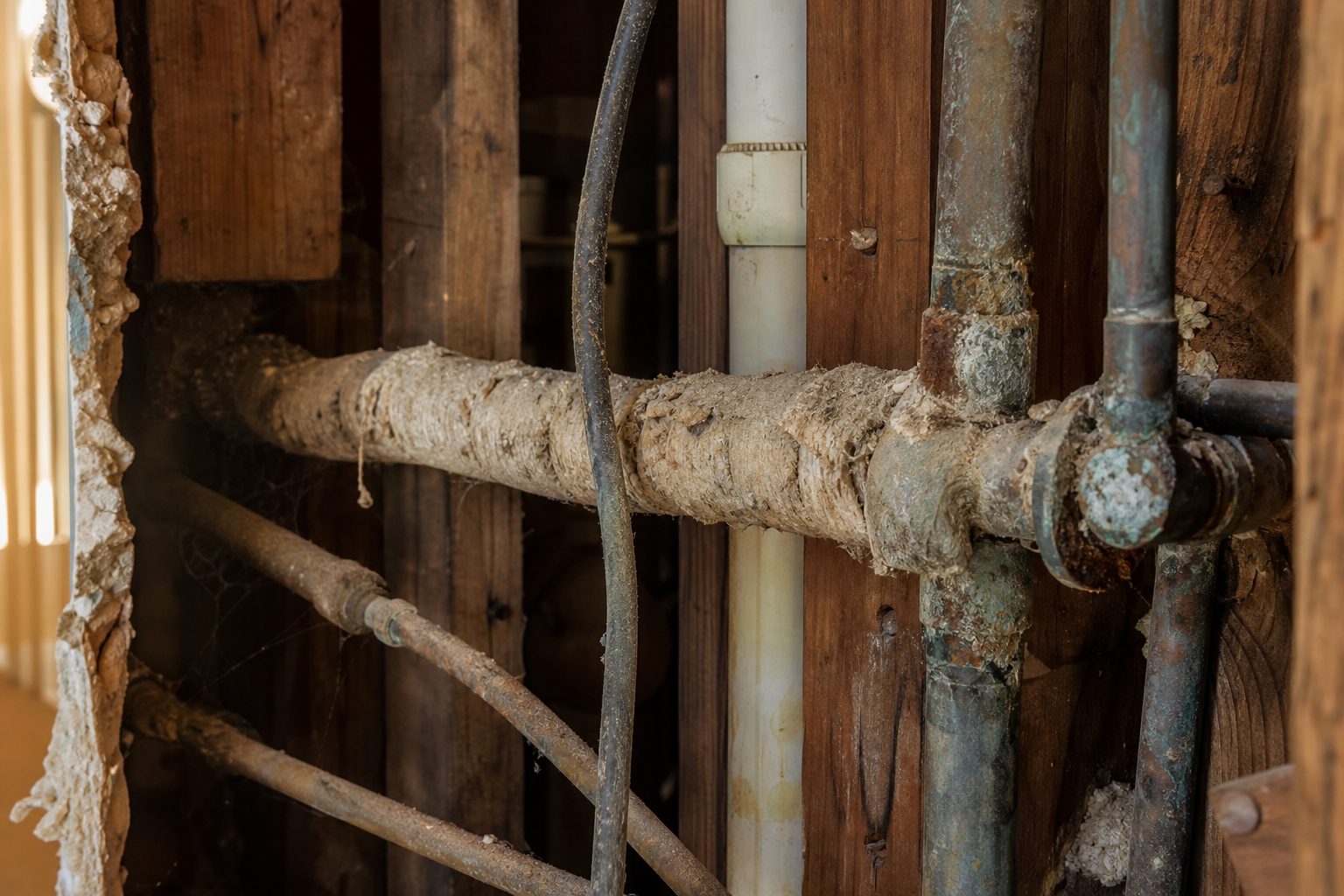
You’re likely dealing with galvanized steel or cast iron plumbing that’s corroded and restricting flow. Knob-and-tube or aluminum wiring that demands a full panel upgrade. Asbestos in popcorn ceilings, floor tiles, and insulation. Lead paint in any home built before 1978. Foundation settling and cracking, which is common in Valley clay soils. And potentially unpermitted additions like garage or patio enclosures that previous owners never pulled permits for.
What does that actually mean for your budget? According to 2026 LA renovation cost data, a full rewire on an 1,800-square-foot home runs $18,000 to $38,000. Repiping costs $10,000 to $25,000. A cast iron drain and lateral replacement runs $8,000 to $30,000. Seismic retrofit adds $15,000 to $30,000. Asbestos abatement alone can cost $5,000 to $20,000 or more.
A cosmetic refresh on a typical 1,800-square-foot Valley home costs $75,000 to $150,000, according to 2026 benchmarks. A gut renovation with new systems and a redesigned floor plan costs $300,000 to $500,000. The realistic middle, which includes a new kitchen, updated baths, flooring, and partial systems work, lands at $145 to $240 per square foot, per 2026 LA renovation data.
And those numbers are climbing. In 2026, LA renovation prices are 4–7% higher than 2025 on average, driven by Title 24 2025 mechanical updates, LADBS plan check fee increases, and lumber and tile pass-through inflation.
The Rent Ceiling Problem That Limits Your Upside in North Hills
Here’s a reality that spreadsheets don’t always capture. You can pour $250,000 into a gorgeous renovation, but Mission Hills and North Hills rents have a hard ceiling set by neighborhood comps, not by your finish level.
One-bedroom apartments in Mission Hills range from around $1,800 to $2,400 per month, per current rental market data. Two-bedrooms typically run $2,400 to $3,000 or more. Unlike the Westside or West LA, premium finishes in these neighborhoods don’t command premium rents proportionally.
So what happens when you run the numbers? Whether you spend $100,000 or $400,000 on renovation, your gross yield hovers stubbornly around 4.0–4.5% in Mission Hills. The rent ceiling means deeper renovations rarely improve yield proportionally. You’re spending more to get essentially the same return. As a broker who specializes in property management across Granada Hills, Northridge, and the surrounding Valley, I can tell you this math traps investors who fall in love with the “after” vision without stress-testing the rental income.
Are you comfortable with that reality before you commit?
Permitting Delays and Vacancy Costs in the San Fernando Valley
Every month your property sits empty during renovation is money evaporating. At Mission Hills and North Hills rental rates, you’re losing $2,500 to $3,000 per month in potential income.
LADBS permit processing times in 2026 remain extended, with 8 to 16 weeks for plan check on major renovations. Inspection scheduling backlogs add additional weeks to project timelines. A renovation that should take four months stretches to six or eight.
A six-month renovation delay costs you $15,000 to $21,000 in lost rent alone, not counting your mortgage payments, insurance, and property taxes during that period. If you’re financing the renovation with a hard money or bridge loan at 9–13% with 1–3 points, those carrying costs compound quickly.
What I always recommend to investors is building a minimum six-month vacancy cushion into your projections. If the numbers still work with that buffer, you have a deal worth pursuing.
Contractor and Insurance Pressures Hitting Mission Hills Investors in 2026
The Contractor Squeeze
Post-wildfire rebuilding demand from the Palisades and Altadena fires has strained the contractor pool across all of LA County in 2026. General contractors in Los Angeles typically apply 15–25% overhead and profit on top of direct costs, per industry data. Wait times are longer, and costs are higher because skilled labor is being pulled toward fire-damaged areas.
For you as an investor in Mission Hills or North Hills, this means your renovation timeline is at the mercy of contractor availability. The best contractors are booked months out. Less established crews may quote lower but deliver inconsistent work that creates warranty issues with future tenants.
Insurance Cost Escalation
California’s post-wildfire insurance market has tightened dramatically. FAIR Plan premiums have surged significantly across LA County. Even in Mission Hills and North Hills, which aren’t in high fire zones, the ripple effect has pushed premiums higher. You need to get insurance quotes before closing, not after, because inflated insurance costs can erode your already thin margins.
Regulatory Risks You Cannot Ignore in North Hills or Mission Hills
California’s tenant protection laws add another layer of complexity for rental investors.
- AB 1482 (California Tenant Protection Act) caps your annual rent increases at 5% plus CPI, with a maximum of 10%
- LA’s Rent Stabilization Ordinance (RSO) applies to properties with two or more units built before October 1, 1978, which covers most of the housing stock in these neighborhoods
- Lead paint and asbestos disclosure requirements create liability exposure on pre-1978 homes
- Unpermitted work from previous owners can trigger code enforcement action and expensive remediation once you pull permits for your own renovation
With my background as a past president of the Southland Regional Association for Realtors in 2019, I stay current on how these regulations impact investor returns. What concerns me most for first-time Valley investors is the RSO exposure on older multi-unit properties, because it fundamentally limits your ability to bring rents to market rate.
Frequently Asked Questions
How much does a typical fixer-upper cost in Mission Hills in 2026?
In March 2026, the median sale price in Mission Hills was $695,000, with an average price per square foot of $471, according to MLS data. Fixer-uppers typically sell below the median, but your all-in cost after renovation often exceeds what you would have paid for a turnkey property.
What are renovation costs per square foot in the San Fernando Valley?
In 2026, realistic renovation costs in Los Angeles range from $50 per square foot for a cosmetic refresh to $600 per square foot for a gut renovation plus addition, per LA renovation benchmarks. The practical middle ground lands at $145 to $240 per square foot.
Can I get a positive cash flow on a fixer-upper rental in North Hills?
Positive cash flow is possible but tight. With a median list price of $807,339 in North Hills as of October 2026 and two-bedroom rents in the $2,400 to $3,000 range, your gross yield sits around 3.5–4.2%. After mortgage, insurance, taxes, and maintenance, cash flow depends heavily on your down payment and renovation budget.
What is the biggest hidden cost in older Mission Hills homes?
Plumbing and electrical are the most common surprises. A full rewire costs $18,000 to $38,000 and repiping runs $10,000 to $25,000 for an 1,800-square-foot home, according to 2026 cost data. These aren’t visible during a standard walkthrough, so thorough inspections are essential.
How long do LADBS permits take in 2026?
LADBS permit processing for major renovations currently takes 8 to 16 weeks for plan check, with inspection scheduling backlogs adding additional weeks. Budget a minimum of six months from permit application to project completion.
Does the LA Rent Stabilization Ordinance affect Mission Hills?
Yes. Properties with two or more units built before October 1, 1978 in the City of Los Angeles, which includes Mission Hills and North Hills, fall under the RSO. This limits your ability to raise rents to market rate on existing tenants.
Are renovation costs still rising in 2026?
Yes. LA renovation prices are 4–7% higher than 2025 on average, driven by updated building codes, LADBS fee increases, and material cost inflation, per 2026 industry benchmarks.
Should I buy a cosmetic fixer or a gut renovation project?
For rental investors in Mission Hills and North Hills, cosmetic refreshes typically offer better risk-adjusted returns. The rent ceiling in these neighborhoods means a $400,000 gut renovation rarely generates proportionally higher rent than a $100,000 cosmetic update.
What financing options work for fixer-upper rentals?
DSCR loans are popular because they’re based on property cash flow rather than personal income. Hard money and bridge loans, typically at 9–13% with 1–3 points, are common for fixer-upper acquisitions but carry high costs. Conventional investment property loans require 20–25% down.
How do wildfires affect renovation costs in the Valley?
Post-wildfire rebuilding demand from the Palisades and Altadena fires has strained the contractor pool across LA County, pushing wait times and costs higher even in neighborhoods like Mission Hills and North Hills that weren’t directly affected.
The Bottom Line
Buying a fixer-upper rental in Mission Hills or North Hills in 2026 is not inherently a bad investment, but it is a high-risk one that demands rigorous underwriting. You need to account for renovation costs that are 20–35% above national averages, a rent ceiling that limits your upside, permitting timelines that stretch months, and an insurance market that’s still adjusting to post-wildfire realities.
After 48 years in San Fernando Valley real estate and over 1,200 closed transactions, my advice is simple: run the numbers with worst-case renovation costs and six months of vacancy before you commit. If the deal still pencils, you may have a winner. For an honest read on the San Fernando Valley housing market in 2026, I’ve shared my full analysis. If you want help evaluating a specific property in Mission Hills, North Hills, Granada Hills, Northridge, or anywhere in the Valley, call me, Dan Tresierras, at 818-356-6356. I specialize in fixers and property management, and I’d rather help you avoid a costly mistake than watch you learn the hard way.

Leave a Reply