


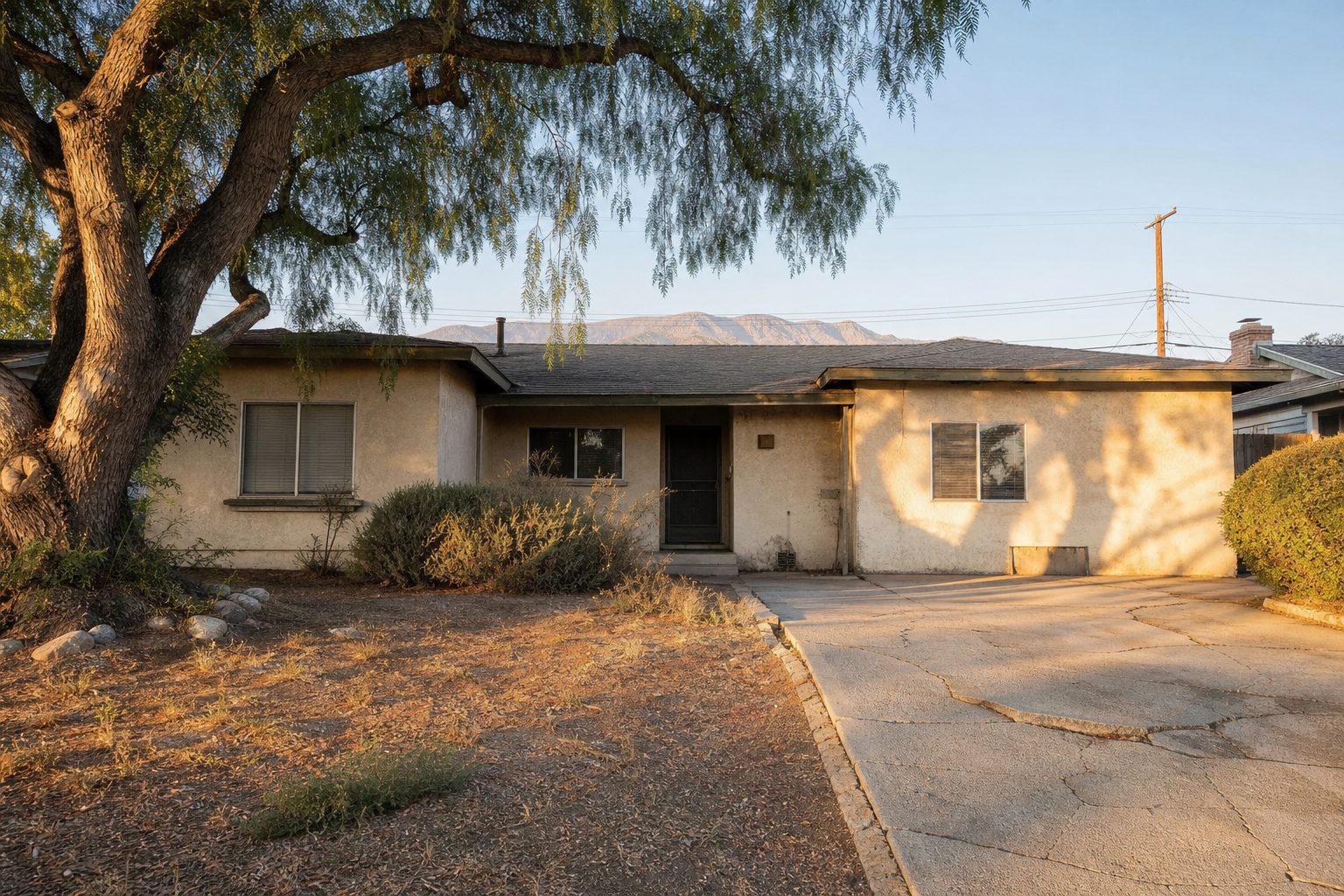
How do I know if a fixer-upper rental in Arleta or Pacoima will qualify for an investor rehab loan in 2026 before I make an offer?
You qualify the deal, not just the property. Run the after-repair value math, prepare a line-item scope of work, and confirm you pass the lender’s three-cap test before you write that offer.
Why This Matters Right Now for Arleta and Pacoima Investors
If you are hunting for a fixer-upper rental in Arleta or Pacoima in 2026, you are looking in some of the most affordable pockets in the entire San Fernando Valley. With estimated median prices ranging from roughly $550,000 to $750,000, these neighborhoods sit well below the valley-wide single-family median of $1,156,000 as reported in Q1 2026. That gap is exactly what makes the BRRRR strategy and fix-and-flip approach so appealing here.
But here is the catch. A property that looks like a screaming deal can fall apart the moment a lender runs the numbers. I have spent 48 years in this business, all with Park Regency Realty, and I specialize in fixers. In my experience, the investors who lose money are not the ones who buy the wrong house. They are the ones who skip the loan qualification homework before they submit an offer. Let me walk you through how to avoid that mistake.
Understanding Your Rehab Loan Options in the San Fernando Valley
Before you even tour a property in Arleta or Pacoima, you need to know which loan product fits your situation. Not every rehab loan works for investors.
Hard Money and Fix-and-Flip Loans
This is the most common path for rental property investors. In 2026, hard money rehab loans carry rates of 8% to 18%, with leverage up to 90% of the purchase price plus 100% of the rehab budget, capped at roughly 75% of the after-repair value (ARV), according to current industry lending guidelines. These loans can close in 5 to 14 days, which gives you a competitive edge in a market where sellers want speed.
Your experience level matters here. New investors can typically access up to 85% of the purchase price, 100% of rehab, a maximum of 85% loan-to-cost, and a maximum of 70% of ARV, with rates starting around 9.99%. Experienced investors get better terms: up to 90% of purchase, 100% of rehab, 90% loan-to-cost, and 75% of ARV, with rates starting around 8.99%.
What About FHA 203(k) or HomeStyle Loans?
Here is something I tell my clients all the time: government-backed rehab loans like FHA 203(k) require you to live in the property as your primary residence. They are not available for investor-owned rentals. However, if you are willing to house-hack a 2-to-4-unit building in Pacoima, FHA 203(k) allows just 3.5% down for borrowers with a 580 or higher credit score.
For a straight investment property, Fannie Mae HomeStyle and Freddie Mac CHOICERenovation both allow investment use on 1-unit properties, though CHOICERenovation requires prior Freddie Mac written approval.
The Five Pre-Offer Checks That Determine Loan Qualification
Having closed over 1,200 transactions across Granada Hills, Northridge, North Hills, Mission Hills, Arleta, Pacoima, and the Santa Clarita Valley, I can tell you that the investors who get their loans approved consistently run these five checks before writing an offer.
Check 1: Run the ARV Math on Arleta or Pacoima Comps
Your lender will order an independent appraisal to establish the after-repair value using renovated comparable sales. The loan amount is sized as a percentage of this figure, typically capped at 75% of ARV. If the ARV comes in below your projection, the maximum loan amount drops accordingly.
What does that mean in practice? Before you submit an offer, pull 3 to 5 comparable sales of renovated homes within half a mile of the target property. You need to verify that the purchase price plus your rehab budget stays at or below 70% to 75% of the projected ARV. In Arleta and Pacoima, where price variability between blocks can be significant, this step is non-negotiable.
Check 2: Prepare a Line-Item Scope of Work
A vague renovation budget is one of the fastest ways to tank your loan approval. The appraiser relies on your scope of work to determine the ARV. A detailed, contractor-prepared scope with line-item costs by trade and contractor bids tends to support a stronger valuation.
Before closing, you submit a detailed renovation budget with line-item costs, contractor bids, and a projected timeline. The lender reviews this to confirm the renovation budget is realistic relative to the ARV. Do not submit an estimate. Submit a scope.
Check 3: Apply the Three-Cap Test
This is where most first-time investor-borrowers get surprised. A fix-and-flip loan amount is the smallest of three separate limits: the purchase-plus-rehab formula, the loan-to-cost (LTC) cap, and the loan-to-ARV cap. Investors who model only the purchase percentage usually overestimate their loan.
Let me illustrate with a realistic Arleta scenario:
- Purchase price: $600,000
- Rehab budget: $80,000
- Total project cost: $680,000
- Projected ARV: $850,000
- 75% of ARV: $637,500 (this becomes your loan cap)
- Cash you need: $680,000 minus $637,500 equals $42,500, plus closing costs
If you only modeled the 90%-of-purchase formula, you would have expected to bring far less cash. The ARV cap is what actually governs your loan. Run all three caps before you submit that offer.
Check 4: Verify Your Credit and Cash Position
Most hard money lenders require a minimum FICO of 660. Your credit score directly affects your rate and leverage. Below 660, your options shrink significantly and you may need to bring additional reserves.
You also need to document available cash for the down payment, closing costs, and reserves. Most programs cover up to 90% of the purchase price, meaning you bring roughly 10% to the table plus fees.
Check 5: Lock Down Your Exit Strategy
Every lender wants to know your plan. Are you selling after renovation or refinancing into a long-term hold? If you are going the BRRRR route in Arleta or Pacoima, lenders typically look for a minimum DSCR (debt service coverage ratio) of 1.0, meaning the property’s rental income covers its debt obligations, with ratios above 1.25 qualifying for better terms, per standard DSCR lending guidelines. Minimum credit scores for DSCR refinance products generally start around 620.
Tax Concerns and Carrying Costs for Arleta and Pacoima Rehabs
What I always recommend to investors considering this market: do not just calculate the purchase and rehab numbers. Factor in your carrying costs during the renovation period. In 2026, with rates on hard money loans ranging from 8% to 18%, every month of delay eats into your margin.
Property taxes in Los Angeles County are assessed on purchase price, so your tax bill during the hold period will be based on what you paid, not the ARV. Post-wildfire insurance costs across LA County have increased, adding to your monthly carrying burden. These are real numbers that affect whether your deal pencils out, and they are numbers your lender will scrutinize.
As a past president of the Southland Regional Association for Realtors in 2019 and a broker with nearly five decades of local market knowledge, I can tell you that the investors who succeed in neighborhoods like Pacoima and Arleta are the ones who build insurance, taxes, and a realistic rehab timeline into their underwriting from day one.
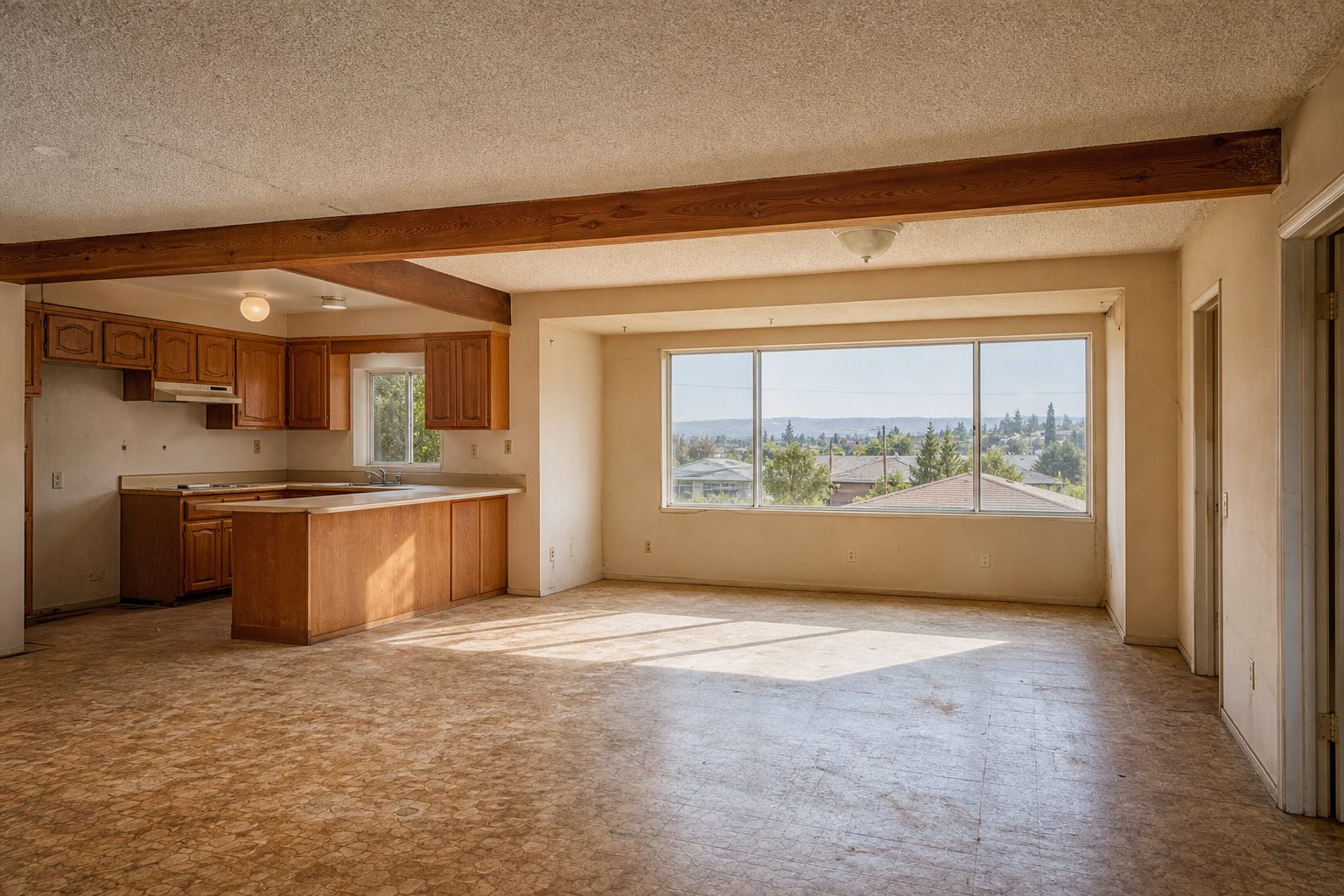
How Seller Concessions Can Offset Your Out-of-Pocket Costs
Here is a detail that many investors overlook. As of mid-2026, 52.9% of San Fernando Valley transactions included seller concessions, with a median concession amount of $25,000. That is more than half of all deals. If you are buying a fixer-upper in Arleta or Pacoima, negotiating a concession toward closing costs can meaningfully reduce the cash you bring to the table. With mortgage rates projected in the 5.5% to 6.5% range through 2026, per Fannie Mae forecasts, a rate buydown through seller concessions can also reduce your carrying costs during renovation.
Frequently Asked Questions
Can I use an FHA 203(k) loan on an Arleta investment property?
No. FHA 203(k) requires you to occupy the property as your primary residence. It is not available for investor-owned rentals. If you are willing to house-hack a 2-to-4-unit property in Arleta, you can use FHA 203(k) with as little as 3.5% down for credit scores of 580 or higher.
What credit score do I need for a hard money rehab loan in Pacoima?
Most hard money lenders require a minimum FICO of 660. Scores below that limit your options or require additional reserves. Your credit score also directly affects your interest rate and the leverage you can access.
How quickly can a hard money rehab loan close?
Hard money rehab loans can close in 5 to 14 days, which gives you a speed advantage when competing for fixer-uppers in competitive pockets of Arleta or Pacoima.
What is the three-cap test for a fix-and-flip loan?
Your loan amount is the smallest of three limits: the purchase-plus-rehab formula, the loan-to-cost cap, and the loan-to-ARV cap. You must model all three before making an offer to know how much cash you actually need.
What ARV cap do lenders use for investor rehab loans?
Most hard money lenders cap the loan at 75% of the after-repair value. Newer investors may face a 70% ARV cap. This is typically the binding constraint on your loan amount.
Do I need contractor bids before I apply for a rehab loan?
Yes. You should submit a contractor-prepared scope of work with line-item costs by trade and a projected timeline. A vague budget can produce a lower appraised ARV and a smaller loan.
What is a DSCR loan and when would I use one in Arleta?
A DSCR loan is used when refinancing a renovated property into a long-term hold. Lenders look for a minimum DSCR of 1.0, meaning rental income covers the debt, with ratios above 1.25 getting better terms. Minimum credit scores start around 620.
Can Fannie Mae HomeStyle loans be used on investment properties?
Yes. Fannie Mae HomeStyle allows investment property use on 1-unit properties, making it one of the conventional renovation options available to investors in Arleta, Pacoima, and surrounding neighborhoods.
What are typical rehab budgets for fixer-uppers in Pacoima?
Based on the typical scope in this market, rehab budgets generally range from $40,000 to $120,000 depending on whether the work is cosmetic or structural. Your scope of work must be detailed enough for the appraiser to project an accurate ARV.
How do seller concessions help investors buying fixers in the San Fernando Valley?
In mid-2026, 52.9% of SFV transactions included seller concessions with a median amount of $25,000. You can negotiate these toward closing costs or rate buydowns to reduce your out-of-pocket cash on a fixer-upper acquisition.
The Bottom Line
Qualifying a fixer-upper rental in Arleta or Pacoima for an investor rehab loan in 2026 comes down to preparation. Run the ARV comps, prepare a line-item scope of work, apply the three-cap test, confirm your credit and cash position, and define your exit strategy. Do all five before you write an offer, and you will know exactly where you stand.
With 48 years in this market and over 1,200 transactions closed, I have helped investors navigate this process across every neighborhood in the San Fernando Valley real estate market and Santa Clarita. If you are looking at a fixer-upper in Arleta, Pacoima, North Hills, Mission Hills, or anywhere in the surrounding area and want to know whether the numbers work for your rental property before you commit, give me a call at 818-356-6356. I am Dan Tresierras with Park Regency Realty in Northridge, and fixers are my specialty.
Leave a Reply