


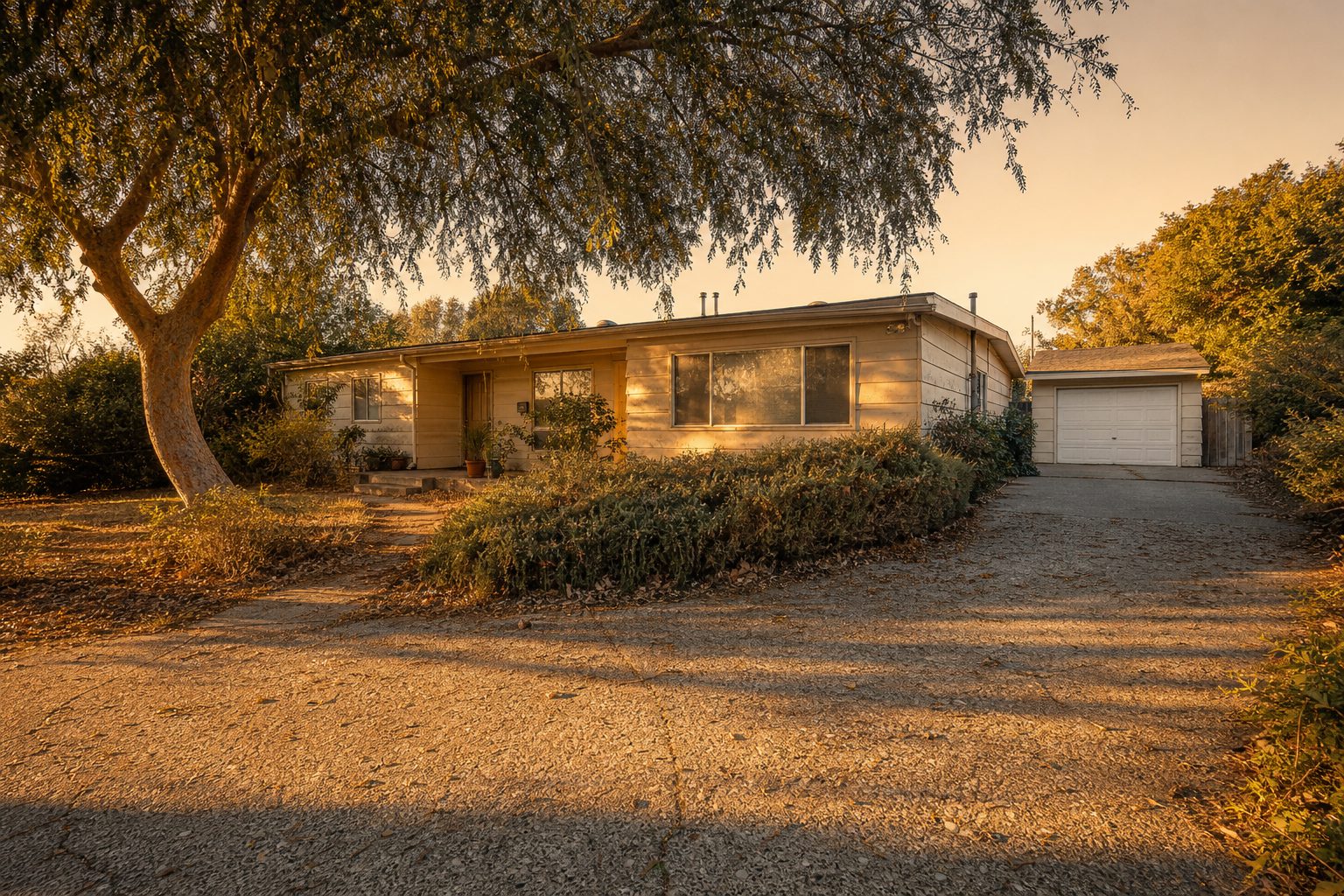
What kind of fixer-upper rental properties are available in Northridge in 2026, and are they worth buying as income properties?
Northridge offers a deep inventory of mid-century homes on oversized lots at entry points well below the neighborhood median, and with nearly half the population renting, the income potential is real if you buy smart and renovate strategically.
Why This Matters Right Now for Northridge Rental Investors
I have spent 48 years in real estate right here in the San Fernando Valley, and fixer-uppers have always been one of my core specialties. What I am seeing in Northridge today is a market window that rewards patient, detail-oriented investors. The median sold price over the last six months sits at $1,060,000 based on 285 tracked closings, per Resideline Market Watch. But the lower quartile of sales, where most fixer-uppers trade, falls well below that number. Meanwhile, approximately 47.38% of Northridge residents are renters, according to the same data source. That is a massive built-in tenant pool. When you pair aging housing stock with strong rental demand and California’s ADU-friendly laws, the math starts to look very interesting for investors willing to roll up their sleeves.
What Types of Fixer-Upper Properties Are Actually on the Northridge Market?
The housing stock in Northridge was built between 1946 and 2021, with a median year of 1958, per Resideline Market Watch. That means the majority of homes are over 60 years old, and many have never been fully updated. Here is what you will typically find when you search for value-add opportunities:
Mid-Century Ranch Homes from the 1950s and 1960s
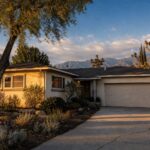
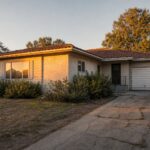
These are the bread and butter of Northridge fixer-uppers. You are looking at single-story, 3-bedroom, 1- to 2-bathroom homes ranging from roughly 1,200 to 1,800 square feet. They sit on generous lots, with the median lot size in Northridge coming in at 10,046 square feet, per Resideline. Original kitchens, dated bathrooms, popcorn ceilings, and single-pane windows are common. These are the properties where a $75,000 to $150,000 renovation can dramatically shift your after-repair value.
Bank-Owned and Auction Properties
Distressed inventory is thin but present. Bank-owned homes account for 0.57% of properties in Northridge, and auction properties make up 0.86% in the 91325 zip code, per RealtyTrac. These numbers are small, but even a handful of below-market acquisitions per quarter can represent solid opportunities. Having closed over 1,200 transactions in my career, I can tell you that distressed deals require speed and preparation. You need proof of funds or pre-approval ready before the listing even hits.
Properties with ADU or In-Law Suite Potential
With that median lot size of over 10,000 square feet, many Northridge parcels have the physical space for an accessory dwelling unit. Some homes already have rudimentary conversions, like a detached garage turned into an unpermitted unit or a main house with a separate-entry in-law suite. These configurations are exactly what rental investors target because the ADU path can nearly double your rental income stream on a single parcel.
How the Numbers Actually Break Down for Northridge Investors
Let me walk you through the financial reality. In the 91324 zip code, the median estimated value is $933,548 at $523 per square foot, while the 91325 zip comes in at $1,230,950 at $545 per square foot, per Resideline Market Watch. That price difference matters. If you are an investor hunting value, the 91324 corridor offers a meaningfully lower entry point.
The median rent price in Northridge is $2,244, according to Resideline, and RentCafe data puts the average apartment rent at approximately $2,464 per month. For a renovated single-family home, you can expect rental income in the $3,200 to $4,200 per month range depending on size and finish level. Add a permitted ADU, and your combined monthly income could reach $4,800 to $6,500 when factoring in ADU rents of $1,800 to $2,500 per month for a one-bedroom unit.
So what does that actually mean for your wallet? At current interest rates and a 25% down payment on a $750,000 acquisition, you are looking at a property that will likely be cash-flow neutral to slightly positive with a single rental. The real payoff comes when you add the ADU, capture equity through renovation, and ride long-term rent appreciation. Renters in the Valley will continue to feel pressure from limited new rental construction, with some forecasts projecting rent increases of 4 to 6% in 2026, per Kidder Mathews market reporting.
Northridge vs. Neighboring Markets: Where Should You Invest?
You might be wondering whether Northridge is the right neighborhood or if you should look at more affordable pockets in the San Fernando Valley. Here is how the rental landscape compares across the markets I work in, based on RentCafe and Yardi Matrix data:
- Northridge: Average rent approximately $2,464 per month
- Granada Hills: Average rent approximately $2,202 per month
- Pacoima: Average rent approximately $2,216 per month
- Mission Hills: Average rent approximately $2,134 per month
- North Hills: Average rent approximately $2,055 per month
All of these neighborhoods fall below the Los Angeles citywide average of approximately $2,736 per month. Lower-priced areas like Pacoima and Arleta offer better initial cap rates because acquisition costs are significantly lower. But in my experience, those areas can come with higher tenant turnover and more intensive property management demands.
Northridge strikes a balance. You get a CSUN-adjacent tenant pool that includes students, faculty, and working professionals. You get larger lots with ADU potential. And you get a neighborhood where renovated properties command premium rents relative to the surrounding market. For investors looking at homes for sale in Granada Hills or North Hills, those areas deserve consideration too, but Northridge’s combination of rental demand and property size is hard to beat.
If you are looking further north, Santa Clarita and Valencia present a different picture. Valencia’s median sold price was $785,000 in June 2026 with a sale-to-list ratio of 100%, per Steadily blog data, and average rents are higher at $2,796 per month according to RentCafe. However, the entry point for fixers is also higher, and days on market in Newhall stretch to 75 days, meaning slower turnover on your investment timeline.
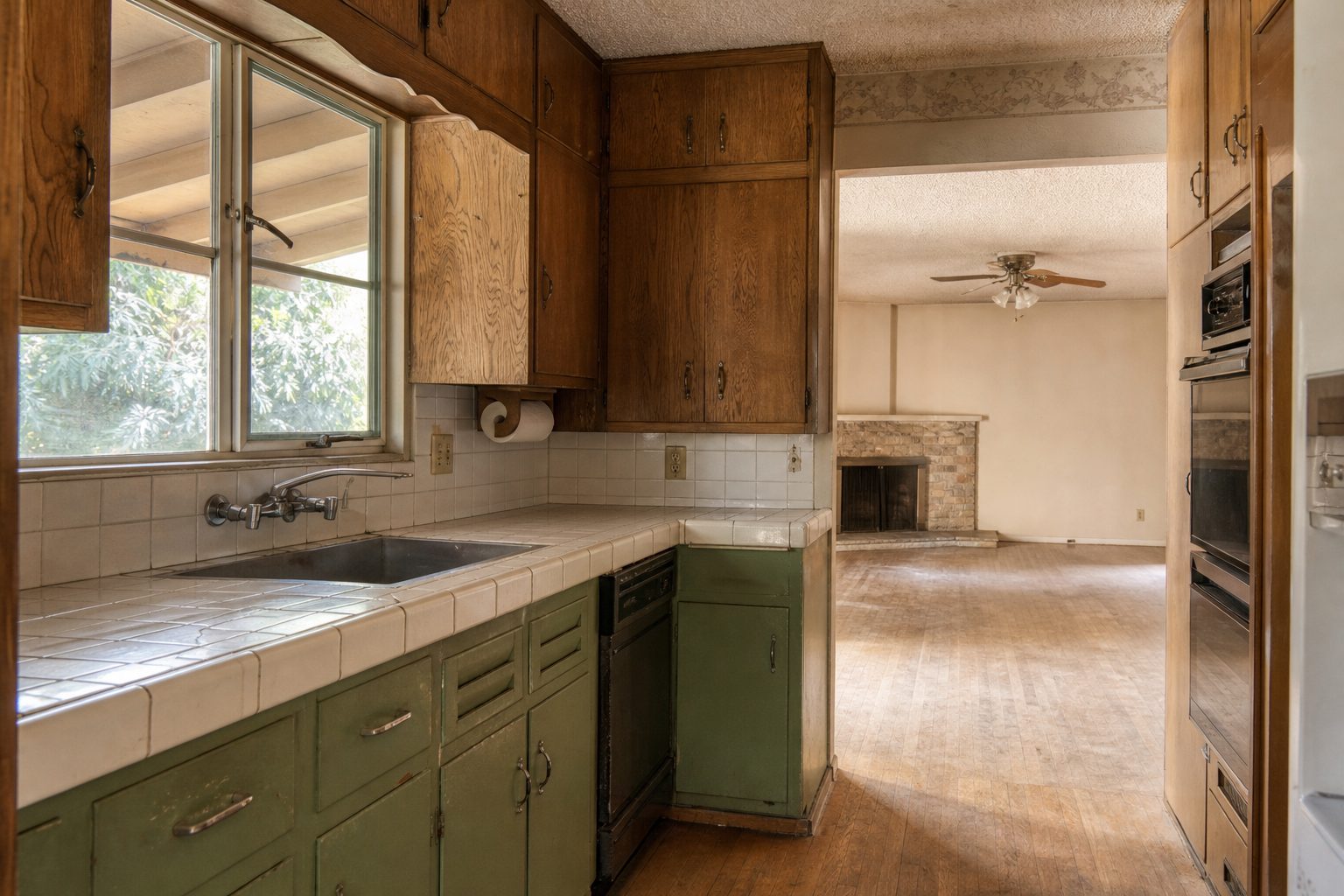
Critical Factors That Will Make or Break Your Northridge Fixer-Upper Investment
LA Rent Stabilization Ordinance
This is the factor I discuss with every investor before they write an offer. Properties built before October 1, 1978 in the City of Los Angeles fall under the Rent Stabilization Ordinance. Given that the median year built in Northridge is 1958, a large portion of the housing stock is subject to rent control. You need to verify the build date and any substantial renovation history before assuming you can set market rents freely. Properties built after that 1978 cutoff, or those that qualify for exemptions under Costa-Hawkins provisions, give you more flexibility.
Insurance and Tax Concerns
California’s insurance market has been turbulent, with carriers retreating from fire-adjacent zones. Parts of Granada Hills and the hillside edges of Northridge may carry elevated premiums. You also need to factor in reassessment under Proposition 13. When you purchase a fixer-upper, the property is reassessed at the purchase price, and any permitted renovation work that adds square footage will trigger supplemental tax bills. Understanding what your property is worth both today and after renovation is essential for accurate projections.
Renovation Scope and Permits
As a broker who specializes in fixers, I always tell my clients to budget 15 to 20% above their initial renovation estimate. Permit timelines in the City of Los Angeles can stretch months, especially for ADU construction, which typically costs $150,000 to $300,000 for a detached unit in the San Fernando Valley.
Frequently Asked Questions
What is the typical price range for a fixer-upper in Northridge in 2026?
The middle half of Northridge sales closed between $785,301 and $1,375,000 over the last six months, per Resideline Market Watch. Fixer-uppers typically trade in the lower portion of that range, and distressed or bank-owned properties can fall below it. The 91324 zip code offers a lower median estimated value of $933,548 compared to 91325 at $1,230,950.
How long do Northridge homes take to sell right now?
As of September 2026, Northridge homes traded after a median 21 days on market, per CRMLS data tracked by Resideline. That is a relatively fast pace, so you need to be prepared to move quickly when a fixer-upper hits the market.
What percentage of Northridge residents are renters?
Approximately 47.38% of Northridge homes are renter-occupied, with 45.51% owner-occupied and 5.3% vacant, according to Resideline Market Watch. This near-50% rental rate signals strong and consistent tenant demand.
Are Northridge fixer-uppers subject to rent control?
Many are. Properties built before October 1, 1978 fall under the LA Rent Stabilization Ordinance, and with the median year built in Northridge being 1958, a significant share of the housing stock qualifies. Always verify exemptions before purchasing.
What are average rents in Northridge compared to nearby areas?
Northridge averages approximately $2,464 per month, per RentCafe. That is higher than North Hills at $2,055 and Mission Hills at $2,134, but below the Los Angeles citywide average of approximately $2,736.
Is adding an ADU worth the investment in Northridge?
ADU construction in the San Fernando Valley typically costs $150,000 to $300,000 for a detached unit. With ADU rents of $1,800 to $2,500 per month, the payback period is roughly 7 to 12 years, but the immediate boost to property value and combined rental income can be substantial.
What financing options work best for fixer-upper rentals?
Investors commonly use conventional investment property loans with 25% down, DSCR loans that qualify based on property income, and hard money or bridge loans for acquisition and rehab. Owner-occupants exploring house-hacking can consider FHA 203(k) rehab loans.
Are there foreclosure properties available in Northridge?
Yes, though inventory is limited. Auction properties account for 0.86% of all properties in the 91325 zip code, and bank-owned homes represent 0.57% of Northridge properties, per RealtyTrac.
How much lot space do Northridge fixer-uppers typically have?
The median lot size in Northridge is 10,046 square feet, per Resideline Market Watch. That generous footprint is a key advantage for investors planning ADU additions or other expansions.
What are the biggest risks of buying a fixer-upper rental in Northridge?
The top risks include underestimating renovation costs, running into permit delays, buying a rent-controlled property without understanding RSO limitations, insurance cost escalation in fire-adjacent zones, and overpaying in a market where the September 2026 median sold price dipped 0.71% year over year according to Resideline.
The Bottom Line
Northridge in 2026 presents a genuine opportunity for rental property investors who are willing to do the work. You have aging housing stock on large lots, a renter population approaching 50%, a built-in CSUN tenant base, and ADU potential that can transform a single-income property into a dual-income asset. The key is buying below the neighborhood median, budgeting conservatively for renovation, and understanding the rent control landscape before you close.
With 48 years in this market and a specialty in fixers and property management, I have guided investors through every kind of market cycle this Valley has seen. If you are an experienced realtor looking for guidance, or an investor ready to evaluate what is available right now, call me at 818-356-6356. I am Dan Tresierras with Park Regency Realty, and I would be glad to walk your next Northridge fixer-upper with you.

Leave a Reply